Floor and Subfloor Mold Removal in Santa Fe Springs, CA
Floor and subfloor mold removal in Santa Fe Springs starts below the finish. Your assessment should distinguish damaged coverings from structural damage.
- Moisture below flooring checked
- Containment and HEPA filtration
- Cleaning before floor repair
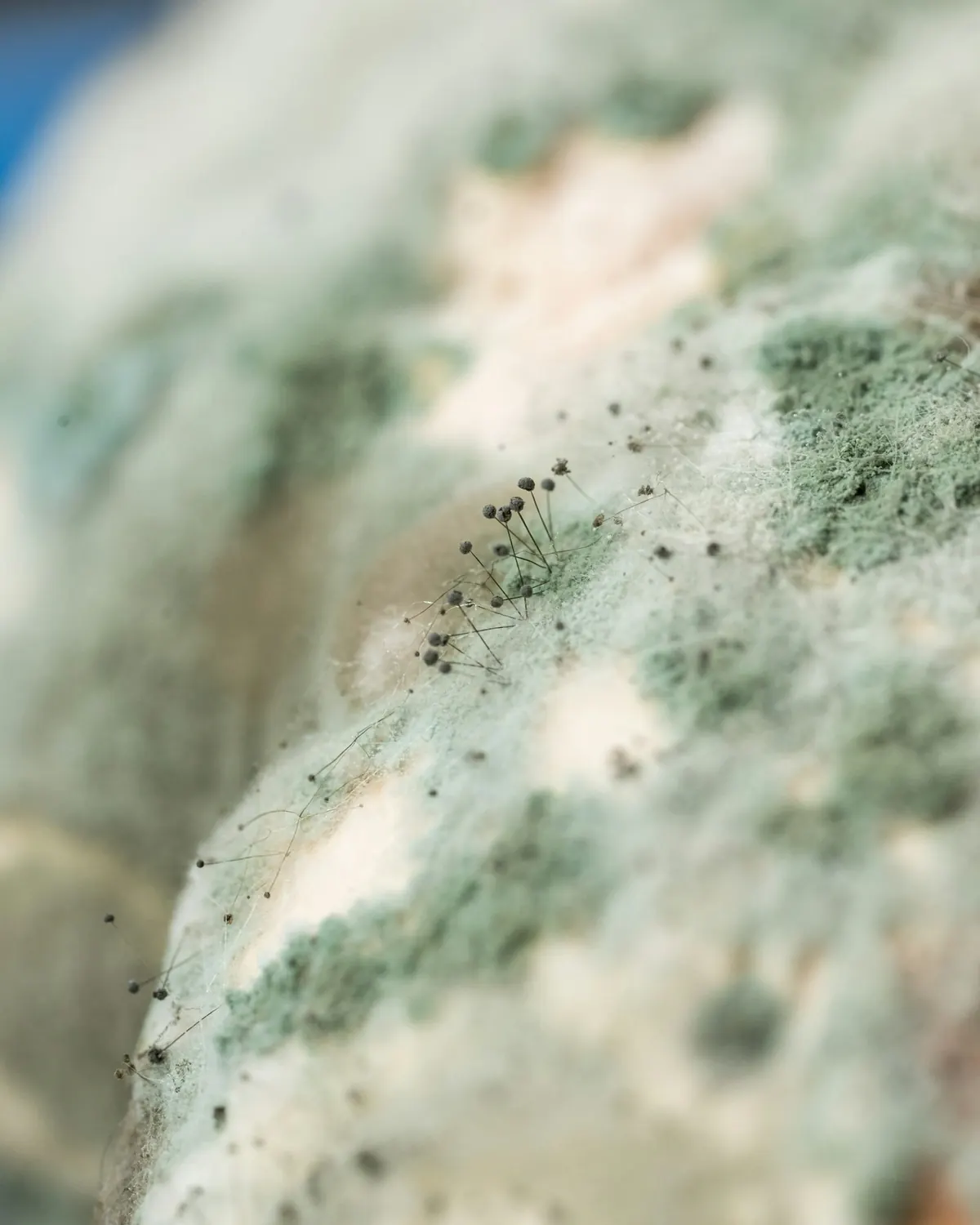
Understanding Subfloor Mold Removal for Your Los Angeles County Property
Separate the covering and underlayment from the subfloor panels and support joists in your scope.
An intact finish does not rule out affected plywood or OSB in your subfloor.
Ask for a written scope of work identifying inspected layers, inaccessible surfaces and the affected area.
- Mold in carpet and padding
- Mold under hardwood floors
- Mold below your vinyl plank flooring or laminate
- Plywood or OSB subfloor with mold growth
- Growth on floor joists
- Hidden moisture near a slab or pipe
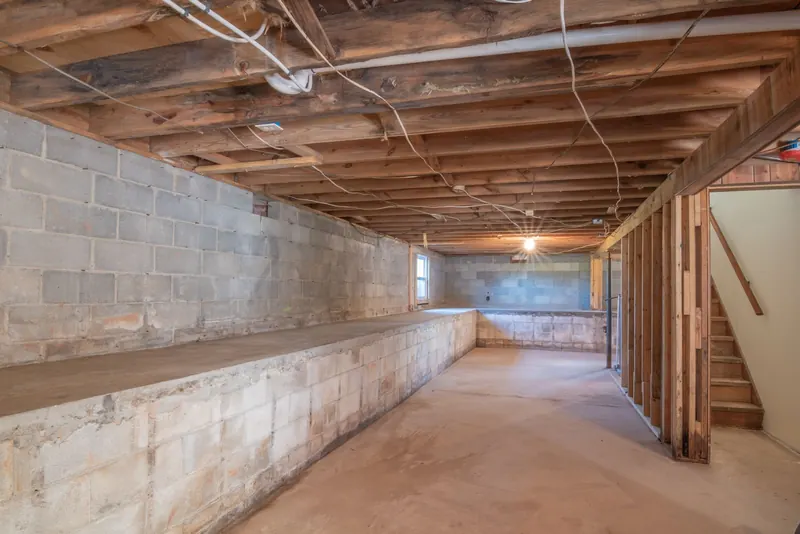
How to Choose Floor Mold Help in Santa Fe Springs, CA
Room Access Planning
Ask how access to essential rooms will continue and who relocates appliances and cabinetry.
Responsibility for Each Trade
Identify who checks plumbing, slab moisture or crawl-space conditions before selecting repairs.
Changes After Opening
Agree how newly exposed damage will be documented and additional work authorized.
Flooring Experience
Request examples involving similar floor assemblies, including the approach used to assess hidden surfaces.
Signs of Mold in Flooring in Santa Fe Springs, CA
A changed floor needs investigation. It is not proof of mold underneath.
Mold on Floor Joists
Leaks or damp air in any lower level can affect joists.
Mold Under Vinyl Flooring
Water under floor finishes may leave edges loose or cause peeling paint or adhesive.
Mold in Carpet Following Water Leakage
Even when the carpet feels dry on top, padding may retain moisture.
Floor Cupping or Water Stains
These changes may signal water damage, but mold in hardwood floors is not always present.
Mold Under Flooring in Los Angeles County: Where to Start
Do not open the floor. Arrange an assessment first.
Call (844) 352-3560- Stop active water safely. Avoid water near electricity. Shut off a leak only if you can do so safely.
- Avoid Sanding or Dry-Brushing Growth. Do not pull up flooring to investigate suspected mold yourself.
- Keep affected HVAC equipment off. Keep potentially contaminated heating or cooling equipment switched off, as EPA advises.
- Keep a clear route. Avoid carrying affected carpet or furniture through other rooms.
- Limit access. Prevent people and pets from entering the affected floor area.
Understanding Subfloor Mold Removal Cost in Santa Fe Springs, CA
These ranges concern repairs, not the price of mold cleanup. Do not add them to your removal total.
After mold: the related expense of flooring repair
$200 to $550 per jobSource: Servpro, Mold Remediation Cost (checked 2026-10-23)After mold: associated carpet repair or replacement expense
$775 to $2,600 per jobSource: Servpro, Mold Remediation Cost (checked 2026-10-23)Related cost of restoring hardwood during water damage work
For each square foot, $10 to $15Source: Fixr, Water Damage Restoration Cost (checked 2026-10-23)Factors Affecting Subfloor Mold Removal Cost in Santa Fe Springs
- Leak repair and flooring replacement
- How deep growth extends and removal boundaries
- Access beneath cabinets or partitions
- Containment and drying equipment
- Layers in your flooring and affected square footage
Related Costs: Floor Repair Guides
No site visit was used for these ranges, which are drawn from published national cost guides. An on-site assessment determines the price for your property, and you should receive an explanation before the work begins.
Ask about cost: (844) 352-3560Floor Mold Insurance Questions in California
Have your insurer explain what the water's cause and policy terms mean for this loss.
Disclosure After Repairs
California's Toxic Mold Protection Act includes a landlord written-disclosure section (Health and Safety Code 26147). By its own wording it applies only after the state adopts mold exposure standards, and the state health department has said it could not set them. Find out which work already completed on your property you must disclose.
Rental Floor Damage
Under California's housing law, visible mold found by a health officer or code enforcement officer can make a rental substandard. Renters can contact their local health or code enforcement department to ask for an inspection. Notify your landlord about leaks, odor and damaged flooring.
Sudden Water Damage
Ask about the deductible, mold sublimit and approval needed before removal.
Long-Term Floor Moisture
Check your policy treatment of ongoing dampness or leaks that develop gradually.
Your Guide to Subfloor Mold Remediation Steps Across Greater Los Angeles
The scope from your assessment defines where to open and clean. Correct the source of water to keep growth from returning.
Floor Inspection and Moisture Mapping
A moisture meter guides openings. Mold identification is beyond a thermal imaging camera.
Containment Before Opening
To help limit mold spores during work, workers use a containment barrier plus a HEPA air filtration device and negative air pressure.
Controlled Flooring Removal
Inside containment, affected layers are exposed by workers in protective equipment, with damaged materials bagged for disposal.
Cleaning Retained Surfaces
Physical cleaning addresses mold on surfaces, alongside HEPA vacuuming, as part of the assessed method. Spraying alone will not suffice.
Drying the Structure
Drying is aided by a dehumidifier and air movers. Recorded moisture readings track progress.
Post-Remediation Verification
Containment removal follows the agreed checks and final cleaning. Any clearance testing should be completed by an independent assessor.
Deciding How to Reach Hidden Floor Layers
Choose access by inspection needs.
| Access option | What to clarify |
|---|---|
| From the room above | Which underlayment and finish layers need to come up for access to affected surfaces? |
| From a basement or crawl space | Will inspection access joists and the undersides of panels without presuming the top surfaces are unaffected? |
| Beyond the first opening | What evidence would warrant removal reaching under cabinets or extending into a different room? |
Wider removal should follow the findings.

Discuss Floor and Subfloor Mold Removal in Santa Fe Springs
Call whenever you need. Your call reaches a floor and subfloor mold removal specialist who hears your concerns and explains the process ahead.
Risks of Floor Mold Cleanup in Greater Los Angeles
Concealed layers may hide how far your mold extends.
Hidden Floor Layers
Beneath cabinets or within neighboring rooms, growth may extend farther.
Contaminated Water
Choose a professional experienced in such damage when sewage or contaminated water is involved.
Floor Stability
Avoid walking on soft or sagging flooring. Request an assessment of structural condition before using that area.
Can you clean it yourself? EPA notes that an area below about 10 square feet can often be cleaned by a homeowner. That guidance cannot tell you how far concealed growth reaches. You need a professional when larger areas or HVAC systems are involved.
Floor Materials Cleaned or Removed in Los Angeles County
Cleaning and drying may allow you to keep sound framing if its condition and access permit. Wood remains porous despite feeling hard to the touch.
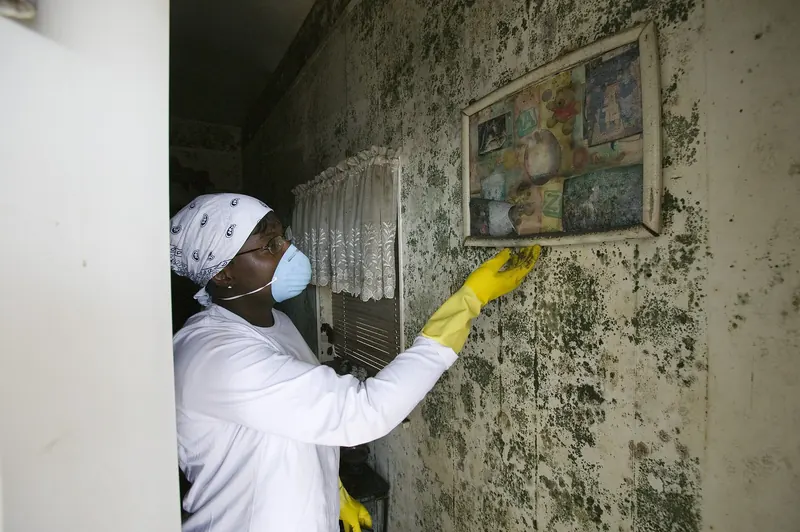
Potentially Retained
- Sound floor joists accessible for cleaning
- Reachable affected surfaces on structurally sound wood panels
- Intact tile floor surfaces, with backing assessed separately
Possible Removal of Porous Materials
- Moldy carpet and carpet padding
- Swollen laminate or fiberboard
- Damaged vinyl backing and underlayment
- Unsound plywood or OSB panels
Separate Repair Decisions
- Subfloor replacement or joist repair
- Replacement flooring and moisture barrier
- Access through baseboard or drywall removal
Floor Mold Remediation Timelines in Los Angeles County
How drying advances, access and the coordination of repairs set your timing.
- Access to concealed layers: Cabinets, glued finishes and multiple underlayments complicate openings.
- Drying progress: Moisture readings taken in retained materials establish when work can move forward.
- Repair coordination: Coordinate structural assessment, moisture-source repairs and replacement flooring.
Humidity and Odor Following Floor Cleanup
Note where and when a musty smell returns after cleanup.
Your room's humidity is insufficient evidence that concealed flooring has dried. For indoor humidity, EPA recommends staying below 60 percent; the ideal range is 30 to 50 percent.

Scope and Repair Planning
Use the full floor and subfloor mold removal guide to prepare questions about the assessment, scope and next steps for your property.
Read the floor and subfloor mold removal guidePlanning Floor and Subfloor Mold Removal in Santa Fe Springs
Your property condition cannot be inferred from housing figures that describe the surrounding area. Use assessment findings to organize access, records and repairs for moisture problems.
Census ACS 2024 5-year (tables B01003, B25003, B25035, B09021 and B25024). Area estimates do not establish conditions at an individual property.
In Santa Fe Springs, renters occupy 39 percent of occupied housing units. Ask which rooms need to be accessible and where belongings can go during the assessed work.
The median year built for housing units in Santa Fe Springs is 1960. This does not establish your building age or condition. For your property, record the rooms affected and ask who can authorize access before work begins.
Single-family units make up 67 percent of all housing units in this community. Before work starts, discuss access to the affected room and any adjoining space that needs inspection.
In this community, 21 percent of residents aged 65 or older live alone. Ask who will repair the moisture source and who will replace any materials removed during cleanup.
Planning Your Property Assessment
- Dry water-damaged areas and items within 24 to 48 hours to prevent mold growth, and remove porous material when it cannot be fully cleaned and dried.
Local Floor and Subfloor Mold Removal Information for Santa Fe Springs
During your call, ask whether mold cleanup is available in surrounding communities and ZIP codes.
Floor and Subfloor Mold Removal in Locations Near Santa Fe Springs
ZIP codes
What People Ask About Floor and Subfloor Mold Removal in Santa Fe Springs
Do you need mold testing before floor removal in Santa Fe Springs?
When you can see growth, EPA says sampling is often not needed. Ask how testing would alter a decision ahead of placing an order. Inspection finds moisture and affected materials; sampling analyzes material collected at a specific location and time. Air sampling with a negative result cannot exclude hidden growth below your floor.
Is replacing your floor part of cleanup?
Do not assume rebuilding is included. Ask if replacing subfloor panels and underlayment, matching the floor finish and putting appliances back are included, or if the agreement stops at remediation. Before approving work, establish who signs off on the cleaned area for repairs and who takes responsibility for the completed floor.
Can you install new flooring as soon as the surface feels dry?
Feeling the surface does not settle the decision. Before installation, ask the flooring installer who will document moisture checks and which checks the chosen product requires. Readiness to install a new floor and completion of mold cleanup require distinct decisions. Leave active growth and damp material uncovered by any new floor finish.
Is staying home possible while workers open your floor?
Ask whether your living space can remain separate from the work zone, whether you can reach exits and bathrooms, and how shared ventilation will be managed. Before work starts, discuss your household requirements. Arrangements for staying depend on both the property and scope of work; closing a door alone cannot assure safety.
Will a coating take the place of cleaning mold from floor joists?
Applying a coating does not take the place of removing growth or repairing unsound wood. For proposed encapsulation, establish how the underlying condition was checked, why encapsulation is appropriate once cleaning and drying finish, and which surfaces would receive coverage. Looking different does not, by itself, prove the work has been completed.
For a floor claim in California, which records do you need to retain?
Retain dated pictures and leak history along with insurer communications, your agreed work scope and all approved modifications. Obtain the removal boundaries, results from any independent assessment, moisture readings showing where and when taken, and repair invoices. Before discarding damaged material, confirm your insurer requirements so you can supply evidence when asked.
Questions About Floor and Subfloor Mold Removal in Los Angeles County?
For calm and useful guidance about floor and subfloor mold removal, you can reach someone by phone 24 hours a day.